news
Benefits of Chloroprene Rubber (CR) in the Medical Industry and Its Role in Enhancing Product Reliability
/)

Chloroprene Rubber (CR), also known as chlorobutadiene rubber, has long been valued in the medical industry for its balanced performance in durability, chemical resistance, and environmental stability. While its mechanical strength may not match that of natural rubber, CR offers several unique advantages that make it a dependable material choice for medical devices, components, and protective equipment.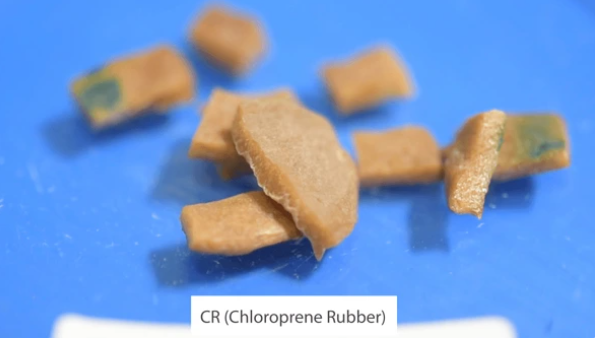
1. Superior Chemical Resistance for Safer, Longer-Lasting Products
The presence of chlorine in CR’s polymer structure significantly reduces its reactivity to oxidizing agents. This low reactivity enhances its resistance to a wide range of chemicals commonly encountered in medical environments, including:
Chlorofluorocarbons
Aliphatic hydrocarbons
Mineral oils and greases
Ozone and other environmental oxidants
This chemical resilience is particularly important for medical components that require repeated exposure to disinfectants, sterilisation chemicals, and bodily fluids. By maintaining structural integrity under these conditions, CR contributes to longer product lifespans and reduces the risk of premature failure.
2. Excellent Ozone and Weathering Resistance for Consistent Performance
Medical products often face constant environmental challenges—ozone exposure, temperature fluctuations, and long-term storage conditions. CR’s strong resistance to ozone cracking and heat ageing helps ensure that seals, gaskets, tubing, and protective barriers remain reliable over time. This stability is essential for devices that must deliver consistent performance without degradation, especially in emergency, outdoor, or transport medical applications.
3. Heat Resistance That Supports Strict Medical Use Conditions
Medical equipment may encounter elevated temperatures during cleaning, sterilisation, or operation. CR’s ability to withstand heat ageing means it maintains flexibility and strength even after repeated exposure, improving the reliability of items such as medical gloves, diaphragms, and valve components.
4. Enhanced Safety Through Material Stability
In applications where leakage, contamination, or material breakdown could compromise patient safety, the inherent stability of CR provides an additional layer of assurance. Its resistance to chemical attack helps minimise material deterioration, reducing the risk of particulates, cracks, or unexpected failures in sensitive medical systems.
5. Balanced Performance at a Practical Cost
Although CR does not match the mechanical strength of natural rubber, its superior chemical and environmental resistance makes it a cost-effective choice for many medical applications. It offers a dependable balance between performance and durability, especially where longevity and safety are higher priorities than tensile strength.
Contact us to find out more.